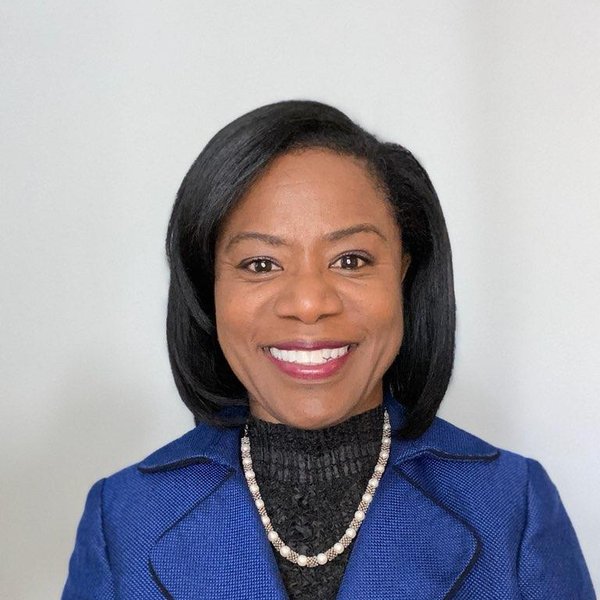
Sharonda Amamilo
Judge, Thurston County Superior Court
- Seat
- Position 5 — Madsen seat — three-way race
- Appointing authority
- Elected county judge, not appointed.
- Background
- Public defender before the bench.
- Reported endorsements
- Pursuing Democratic LD endorsements; bar ratings pending. Clark County Democrats (dual endorsement).
- Fundraising
- $60,229 raised as of Aug 31, 2026
What the record actually shows
Facts pulled from public sources: who appointed them, what they did before, what they've said or written, who's backing them. We're not predicting any vote. Why these categories?
-
Her background
Public defender career. Civil-liberties orientation.
-
How she talks about the law
Her stare decisis framing leans more formal-conservative than reformist.
-
Who's backing her
Democratic-aligned endorsements with a procedural-justice frame, not a tax-policy one.
-
Her tax record
Nothing on Article VII or Culliton. Genuine uncertainty.
How this candidate is likely to rule, and why.
Sharonda Amamilo is a genuine question mark on the Culliton question, and the honest reading of the available record supports that uncertainty rather than resolving it.
She is the first African American judge in Thurston County's history, a former public defender and private practitioner with nearly two decades of legal experience, and a sitting Thurston County Superior Court judge who handles child welfare, family law, and administrative appeals including multi-million-dollar tax disputes.
Her endorsers include Justice Helen Whitener, who voted with the Quinn majority, and judges and attorneys across western Washington's Democratic-leaning bar. She is pursuing Democratic legislative district endorsements.
But her stated judicial philosophy is notably more formal and process-centered than her endorsement coalition might suggest: she has described her approach using a 'FIRE' framework emphasizing Facts, Issues, Rules, and Exceptions, has stated that 'every perceived wrong doesn't necessarily have a legal remedy,' and has emphasized careful scrutiny of recommendations and fidelity to the written law.
The stare decisis framing in her public materials leans more formal-conservative than reformist. Her coalition wants her to vote to scrap Culliton; her stated methodology is more cautious. That gap is what keeps the lean at 'unclear' rather than a confident scrap signal.
-
Whitener endorsement as Quinn-bloc signal
Justice G. Helen Whitener, who signed the 7-2 Quinn majority and whose appointment in 2020 was flagged by Tax Notes State as potentially opening the door to Culliton revisitation, has endorsed Amamilo. Whitener's endorsement of Amamilo rather than Angelis for Position 5 is the most direct institutional signal in Amamilo's favor from the scrap coalition.
It does not guarantee a scrap vote, but it suggests that at least one justice in the Quinn majority believes Amamilo is more favorable than neutral on the income tax question.
-
Multi-million-dollar tax disputes in superior court
Amamilo's Seattle Medium profile indicates her Thurston County Superior Court docket includes 'multi-million-dollar tax disputes' and review of agency decisions with statewide implications. That language suggests she has reviewed administrative tax assessments at the trial level, which is substantively distinct from the constitutional question in ESSB 6346 but means she is not without any engagement with tax litigation. No specific case names or outcomes have been identified in this research; a direct record search would be needed to evaluate how she has approached tax questions.
-
Former public defender orientation with formal-conservative stare decisis framing
Amamilo's public defense background typically correlates with a civil liberties and pro-defendant orientation that leans toward the progressive coalition. But her public statements on judicial decision-making emphasize the FIRE framework, strict adherence to the written record, and a statement that not every perceived wrong has a legal remedy.
This is more cautious and formalist than the reform-oriented framing typical of progressive judicial candidates. Taken at face value, it could lead her to find that the Legislature cannot simply relabel an income tax as an excise tax and expect the court to follow the label.
-
Low fundraising as electoral risk signal
Amamilo has raised approximately $10,600 in campaign contributions as of late April 2026, compared to Angelis's $103,000 and Larson's $94,000. That fundraising gap makes it structurally unlikely she advances past the August primary in a three-way race unless significant institutional money enters behind her. The Sentencing Guidelines Commission and DCYF Oversight Board roles in her resume add relevant public-service credentials, but without competitive fundraising those credentials may not reach enough voters.
An analytical read on public signals. Not a prediction of any individual vote.
Questions a voter might ask this candidate
- What are the most important factors when deciding whether to overturn a precedent?
- Does the case for overturning weigh differently when the party who has relied on the ruling is the legislature itself?
Phrased to comply with Washington's Code of Judicial Conduct, which prohibits candidates from pledging votes on specific cases or issues likely to come before the court. Methodology questions are permitted.
Sources
- Washington State Voters' Pamphlet (August 4, 2026 primary): Sharonda Amamilo candidate statement
- Thurston County Superior Court
- Yelm Community coverage
- Seattle Medium: Judge Sharonda Amamilo for Supreme Court
- Wikipedia: 2026 Washington Supreme Court election
- Thurston County Superior Court: Judge roster
- Clark County Today: WA Supreme Court cases could decide fate of income tax
- Daily World: WA Supreme Court races shape up as income tax case looms
- Are you Sharonda Amamilo or their campaign? Submit a response →